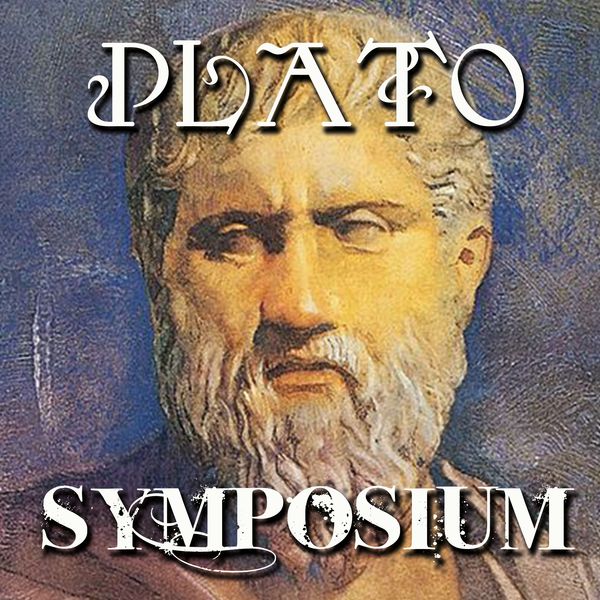
Symposium
Plato
Ungekürzt
•
4099995461404
2 Stunden 17 Minuten

Einige Artikel enthalten Affiliate-Links (gekennzeichnet mit einem Sternchen *). Wenn ihr auf diese Links klickt und Produkte kauft, erhalten wir eine kleine Provision, ohne dass für euch zusätzliche Kosten entstehen. Eure Unterstützung hilft, diese Seite am Laufen zu halten und weiterhin nützlichen Content zu erstellen. Danke für eure Unterstützung!
Vom Herausgeber
The Symposium is a Socratic dialogue by Plato, dated c. 385 – 370 BC. It depicts a friendly contest of extemporaneous speeches given by a group of notable Athenian men attending a banquet. The men include the philosopher Socrates, the general and statesman Alcibiades, and the comic playwright Aristophanes. The panegyrics are to be given in praise of Eros, the god of love and sex. In the Symposium, Eros is recognized both as erotic lover and as a phenomenon capable of inspiring courage, valor, great deeds and works, and vanquishing man's natural fear of death. It is seen as transcending its earthly origins and attaining spiritual heights. The extraordinary elevation of the concept of love raises a question of whether some of the most extreme extents of meaning might be intended as humor or farce. Eros is almost always translated as 'love,' and the English word has its own varieties and ambiguities that provide additional challenges to the effort to understand the Eros of ancient Athens. The dialogue is one of Plato's major works, and is appreciated for both its philosophical content and its literary qualities.
Beifall für dieses Ensemble


Strelbytskyy Multimedia Publishing
-
Cover - Mikhail Bulgakov - The Star Rash
 Mikhail Bulgakov: The Star RashThe Star RashMikhail Bulgakov
 -
Cover - Volodymyr Vynnychenko - Kumedіya z Kostem
 Volodymyr Vynnychenko: Kumedіya z KostemKumedіya z KostemVolodymyr Vynnychenko
 -
Cover - Mark Twain - Aurelia's Unfortunate Young Man
 Mark Twain: Aurelia's Unfortunate Young ManAurelia's Unfortunate Young ManMark Twain
 -
Cover - Franz Kafka - Erzählungen und kurze Prosa
 Franz Kafka: Erzählungen und kurze ProsaErzählungen und kurze ProsaFranz Kafka
 -
Cover - Arthur Conan Doyle - The Adventure of the Three Students
 Arthur Conan Doyle: The Adventure of the Three StudentsThe Adventure of the Three StudentsArthur Conan Doyle
 -
Cover - Josephine Tey - The Daughter of Time
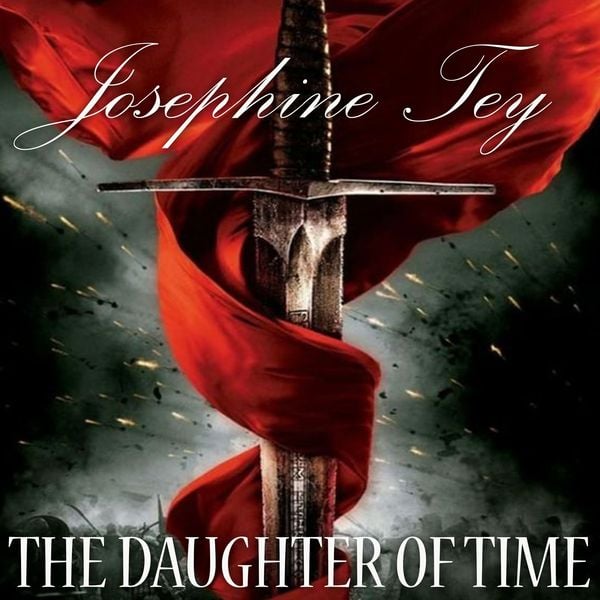 Josephine Tey: The Daughter of TimeThe Daughter of TimeJosephine Tey